
From AI search to traditional search – discover the complete hotel landscape
Hotel Market Intelligence
Updated weekly, the Hotel Sector Intelligence dashboard combines AI and traditional search, alongside weekly insights highlighting the biggest market movements, emerging trends and standout performers.
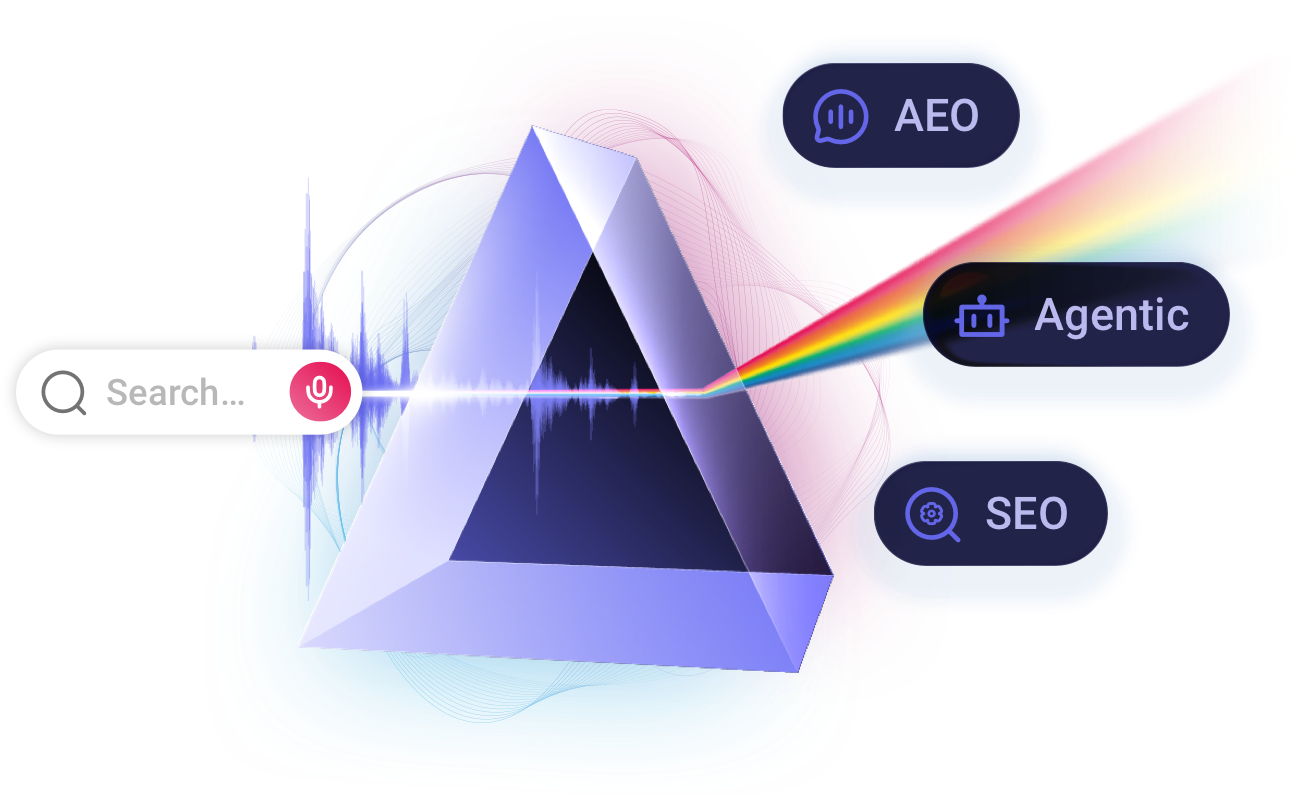
Hotel Sector Intelligence methodology
Pi’s Hotel Sector Intelligence uses a representative dataset of accommodation-related searches and AI conversations to show how travelers discover, compare and evaluate hotels.
The dataset covers informational, comparative and transactional questions across different destinations and accommodation categories. It is designed to reflect the directions a traveler’s research can take, rather than relying on a small collection of isolated keywords or prompts.
- Markets: UK & US
- Search environments: Google Search and Google AI Mode
- Categories analyzed: General Accommodation | Africa & Australasia | Caribbean | Central & South America | France | Italy | Middle East & Asia | Rest of Europe | Spain | UK | US & Canada
- Search dataset: Long-tail informational and transactional queries reflecting destination research, hotel comparison and booking behavior
- Conversation dataset: Questions covering destinations, accommodation types, traveler requirements, comparisons and recommendations
- Dashboard refresh frequency: Weekly
- Market insights publication: Weekly
Want to know how your brand performs?
Explore how your brand ranks across traditional search, AI visibility and brand health signals within the hotel sector, alongside your key competitors inside the Pi platform.
Understand the complete hotel search landscape
Hotel discovery no longer follows a straight path from a search to a booking.
A traveler might begin by researching destinations, narrow the choice by budget or traveler type, compare accommodation options, look for reviews and then ask an AI platform for a recommendation. At every stage, a different hotel brand, booking platform, publisher or creator can influence the decision.
Pi connects traditional search performance with AI search intelligence so hotel teams can understand where they appear throughout this journey, where competitors replace them and which sources shape the final recommendation.
Compare hotel market leaders across traditional and AI search
Strong traditional search visibility remains an essential foundation. It helps travelers discover destinations, hotel categories, offers and individual properties while providing the accessible, authoritative information that search engines and AI systems can use.
However, a hotel brand with strong Google visibility may not receive the same level of attention in an AI-generated answer.
Pi helps teams compare:
- Traditional search Share of Voice and market position
- Presence in Google AI Mode and AI Overviews
- Mentions and recommendations in ChatGPT, Perplexity and other supported AI platforms
- The publishers, review sites and travel resources cited as evidence
- Hotel brand sentiment across AI-generated answers
- Competitor visibility across different stages of the booking journey
Map the conversations shaping hotel discovery
Travelers rarely ask one question in isolation. A broad destination query can develop into a detailed conversation about location, facilities, price, suitability, reviews and availability.
A journey might develop as follows:
Explore a destination → choose an area → compare accommodation → check requirements → validate options → book
Pi’s Conversation Mapping helps hotel teams identify the questions surrounding these journeys and understand where their brand remains present or drops out.
This can reveal whether a hotel is visible during early destination research but absent when travelers ask about family facilities, accessibility, business travel, sustainability, luxury experiences or the best option for a particular budget.
Identify the hotel prompts and questions worth monitoring
Effective AI measurement should begin with the traveler’s problem, not an arbitrary list of prompts.
Pi helps teams build representative conversation sets around destinations, accommodation types, traveler needs, comparisons and commercially important decisions. These can combine traditional search demand with the follow-up questions generated during AI conversations.
This provides a more stable view than testing a small collection of manually selected prompts and shows where the most valuable hotel-discovery conversations lead.
Find the sources influencing hotel recommendations
AI-generated hotel recommendations can be shaped by hotel websites, online travel agencies, review platforms, tourism organizations, travel publishers, videos and other third-party sources.
Pi reveals which domains and pages are being cited, what information they contribute and whether those sources support your brand or a competitor.
These citation doorways help hotel teams understand whether they need to improve an owned destination page, clarify property information, publish stronger supporting evidence or build visibility through an influential external source.
Monitor hotel brand presence and sentiment
Appearing in an answer is only part of the picture. Hotel teams also need to understand what is being said about their brand.
Pi enables you to examine brand mentions and sentiment across AI-generated answers, compare your position with competing hotel brands and investigate the sources influencing the narrative.
This can reveal whether a brand is associated with the experiences and attributes it wants to own, or whether outdated, incomplete or negative information is shaping how it is presented.
Connect traveler demand with market visibility
Historical search-demand data shows how interest changes across destinations and accommodation categories. It helps hotel teams distinguish a short-term movement from a seasonal pattern or sustained change in traveler behavior.
Combining this demand data with weekly Share of Voice and competitor movement makes it possible to see who is benefiting from a trend, where visibility is being conceded and which destinations or categories may require greater attention.
Create hotel intelligence around your own market
The public dashboard provides a cross-market view of the hotel sector. Inside Pi, teams can create a more specific dataset around their commercial priorities.
- Hotel groups, portfolios and individual properties
- Priority destinations and source markets
- Luxury, budget, family, business and specialist accommodation
- Direct competitors and online travel agencies
- Traditional search terms and AI conversation groups
- Google, ChatGPT, Perplexity and other supported search environments
- Brand mentions, citations, sentiment and source influence
- Images, videos, AI Overviews and other SERP features
The result is a clearer view of how your hotel brand performs across discovery, comparison and recommendation, rather than a single snapshot of where a domain ranks.
Search intelligence across the travel journey
Hotel discovery does not happen in isolation. Travelers move between destination research, accommodation comparisons, flight options and booking platforms before making a decision.
See how Pi helps travel and hospitality teams connect traveler demand with visibility across traditional and AI search. You can also explore the brands, airlines, booking platforms and publishers leading the flights market.
See how your hotel brand performs
Build a search-intelligence view around your hotel portfolio, destinations, competitors and traveler journeys.
Discover where your brand appears across traditional and AI search, which sources influence recommendations and where the next opportunities exist.